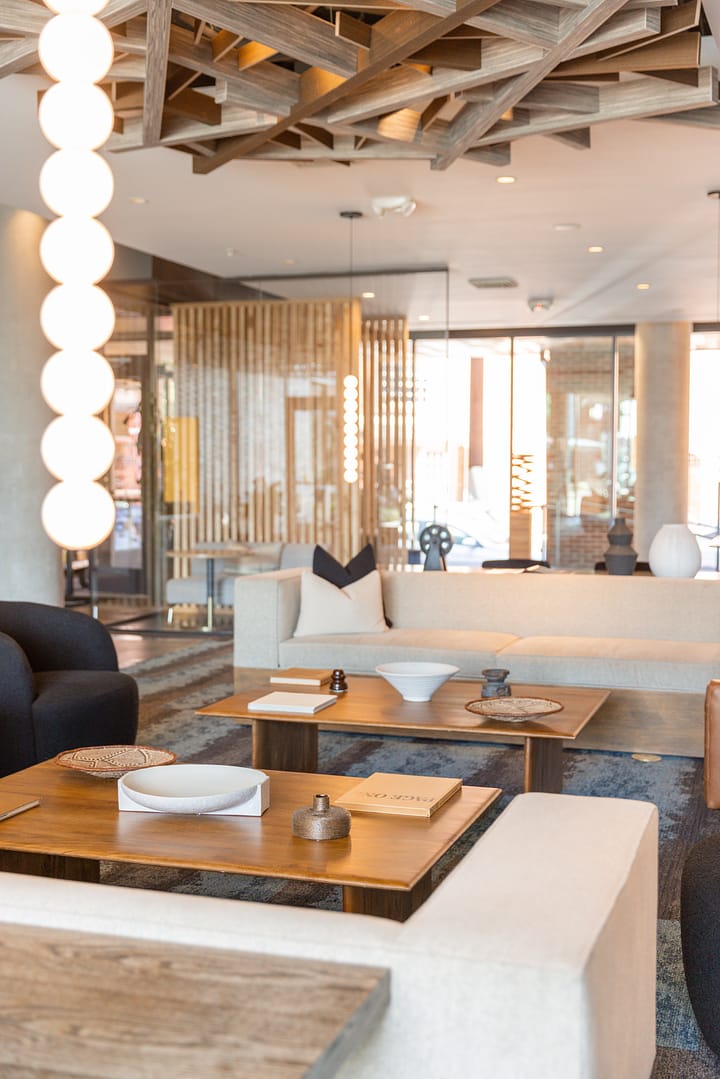
The ROI of Multifamily Amenity Renovations: What Developers Should Know
Multifamily amenity renovations are almost a necessity in today’s competitive rental market. Multifamily developers are increasingly looking at amenity renovations not just as aesthetic upgrades, but as strategic investments that directly impact property performance.
Thoughtfully designed amenity spaces can improve leasing velocity, support rent premiums, and help reposition aging assets to compete with newer developments.
For owners and developers evaluating renovation budgets, understanding the return on investment (ROI) of multifamily amenity renovations is critical.
When designed strategically, amenity upgrades can transform underutilized spaces into powerful leasing tools.
Why Multifamily Amenity Renovations Matter
Resident expectations have evolved significantly over the past decade. Today’s renters are looking for environments that feel curated, comfortable, and experience-driven.
Multifamily communities that incorporate hospitality-inspired amenities often see stronger engagement and improved leasing performance.
Rather than serving as secondary spaces, modern amenities function as extensions of the home — places where residents work, socialize, and relax.
For developers, this means amenity design plays a direct role in:
- attracting prospective renters
- supporting rent premiums
- increasing resident retention
- strengthening property positioning in competitive markets
How Amenity Design Impacts Leasing Velocity
One of the most immediate benefits of amenity renovations is improved leasing momentum.
Prospective residents often form their first impression of a property through shared spaces such as the lobby, clubhouse, or leasing lounge. When these spaces feel thoughtfully designed and visually compelling, they elevate the entire perception of the building.
Hospitality-inspired environments — featuring layered lighting, curated furnishings, and comfortable lounge seating — create spaces that residents want to spend time in.
For leasing teams, this can translate into stronger tours and faster decision-making from prospective renters.
How Multifamily Amenity Renovations Support Rent Premiums
Strategic amenity upgrades can also support higher rental rates.
When amenity spaces feel elevated and well-designed, residents perceive the property as offering a higher level of lifestyle experience.
Developers frequently see rent premiums supported by amenities such as:
- coworking lounges and remote work spaces
- hospitality-style clubrooms
- resort-inspired pool decks
- rooftop lounges with indoor-outdoor seating
- well-designed fitness and wellness areas
These spaces provide tangible lifestyle value that residents are willing to pay for.
High-Performing Multifamily Amenity Renovations
While every property is unique, certain amenity upgrades consistently deliver strong returns for multifamily developments.
Below are several renovation strategies that developers frequently prioritize.
Clubhouse Renovations
The clubhouse is often the social heart of a multifamily community.
Renovating outdated clubrooms into hospitality-inspired spaces can significantly improve how residents interact with the property.
Design strategies may include:
- lounge seating clusters
- statement lighting
- curated millwork and shelving
- flexible gathering areas
- coffee and beverage stations
When thoughtfully designed, the clubhouse becomes a destination rather than simply a pass-through space.
Pool Deck Transformations
Pool areas are one of the most photographed and shared amenities in apartment communities.
Enhancing these spaces with resort-inspired design elements can dramatically elevate the perceived value of the property.
Common upgrades include:
- cabanas and shaded lounges
- fire features
- outdoor kitchens and grills
- upgraded furniture and landscaping
These environments create social spaces that residents actively use throughout the warmer months.
Coworking Lounges
With remote work becoming increasingly common, coworking spaces have become one of the most desirable multifamily amenities.
Developers are transforming underutilized spaces into flexible work environments that include:
- communal work tables
- private meeting rooms
- high-speed connectivity
- comfortable lounge seating
These amenities allow residents to work outside their apartments while still remaining within the community.
Lobby Redesigns
The lobby sets the tone for the entire property.
A well-designed lobby can dramatically improve first impressions and strengthen leasing tours.
Hospitality-inspired lobby renovations often include:
- comfortable seating areas
- curated lighting
- art and decorative elements
- concierge-style layouts
These environments reinforce a sense of arrival and elevate the overall experience of the building.
The Long-Term Value of Amenity Renovations
Beyond immediate leasing benefits, amenity renovations help multifamily properties remain competitive over time.
Buildings that invest in thoughtfully designed amenity environments often experience:
- stronger resident satisfaction
- improved retention rates
- enhanced brand identity
- higher perceived property value
For developers planning value-add strategies or repositioning projects, amenity design plays a critical role in unlocking the full potential of the asset.
Multifamily Amenity Renovations: Questions Developers Ask Before Renovating
Do apartment amenities increase rent?
Yes. Well-designed amenities can support rent premiums by improving the perceived lifestyle value of a property. Spaces such as coworking lounges, upgraded clubrooms, and resort-style pool decks often influence leasing decisions and justify higher rental rates.
What amenities increase apartment property value?
Amenities that encourage daily use tend to provide the most value. These include co-working spaces, hospitality-style clubhouses, fitness centers, and outdoor social areas. When thoughtfully designed, these spaces become key differentiators in competitive markets.
What is the ROI of multifamily amenity renovations?
The ROI of amenity renovations typically appears in several ways, including improved leasing velocity, stronger rent premiums, higher resident retention, and increased overall asset value. Strategic design helps ensure that renovation investments deliver long-term performance benefits.
Conclusion
For multifamily developers, amenity renovations represent far more than aesthetic upgrades. They are strategic investments that influence leasing success, resident satisfaction, and long-term property performance.
By approaching amenity design with both hospitality sensibility and operational strategy, developers can transform shared spaces into powerful assets that elevate the entire community.
At Little Black House, our work focuses on designing multifamily environments that blend hospitality-driven aesthetics with the durability and performance required for high-traffic residential communities.
Because when amenity spaces are designed thoughtfully, they do more than look beautiful — they drive value.